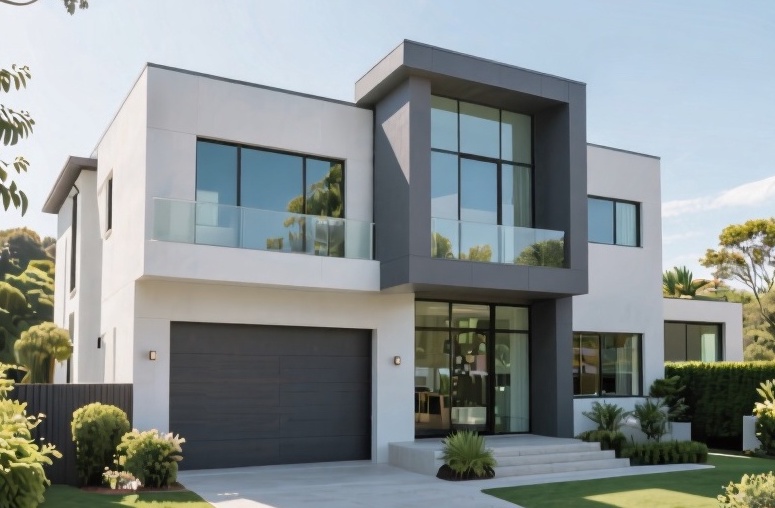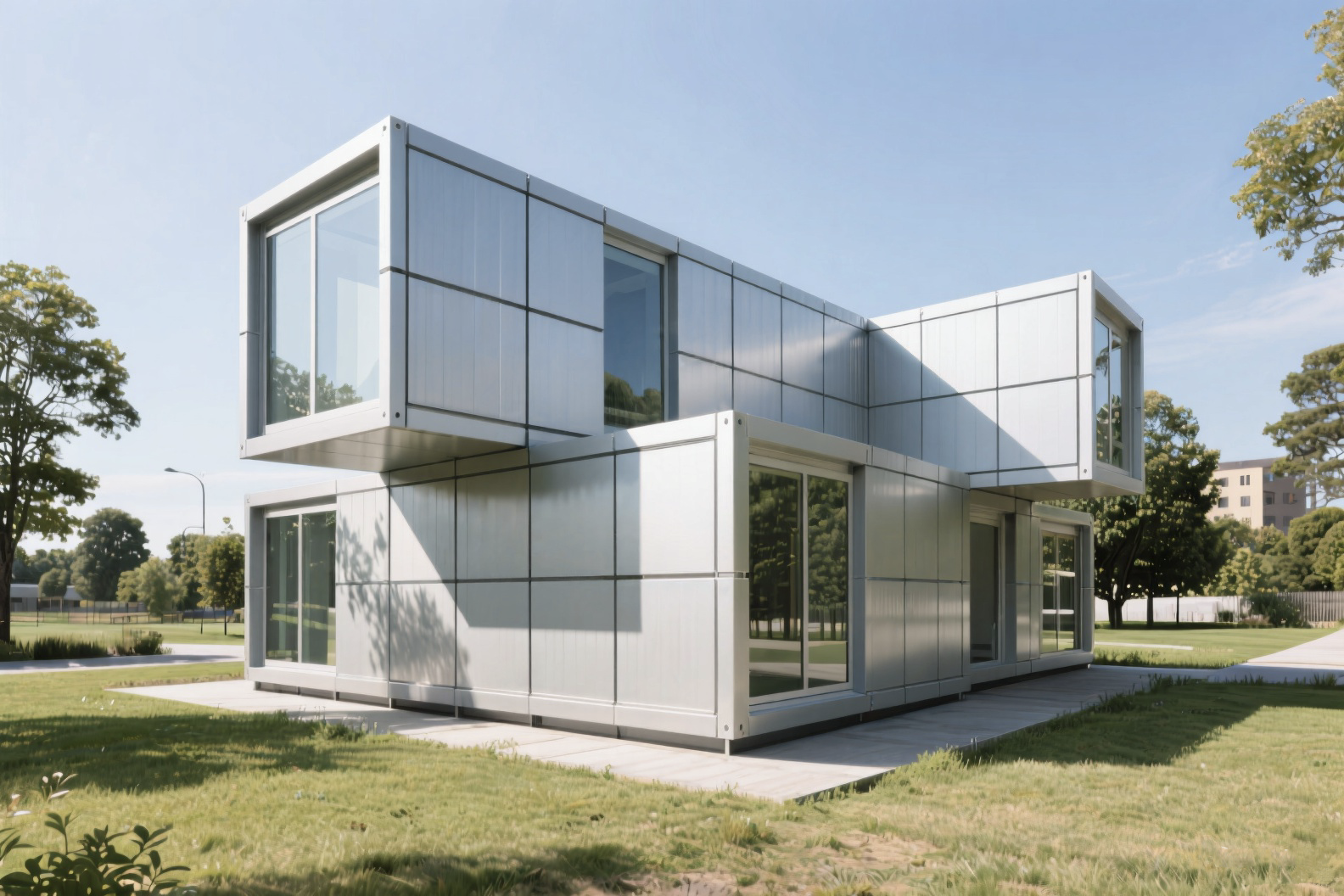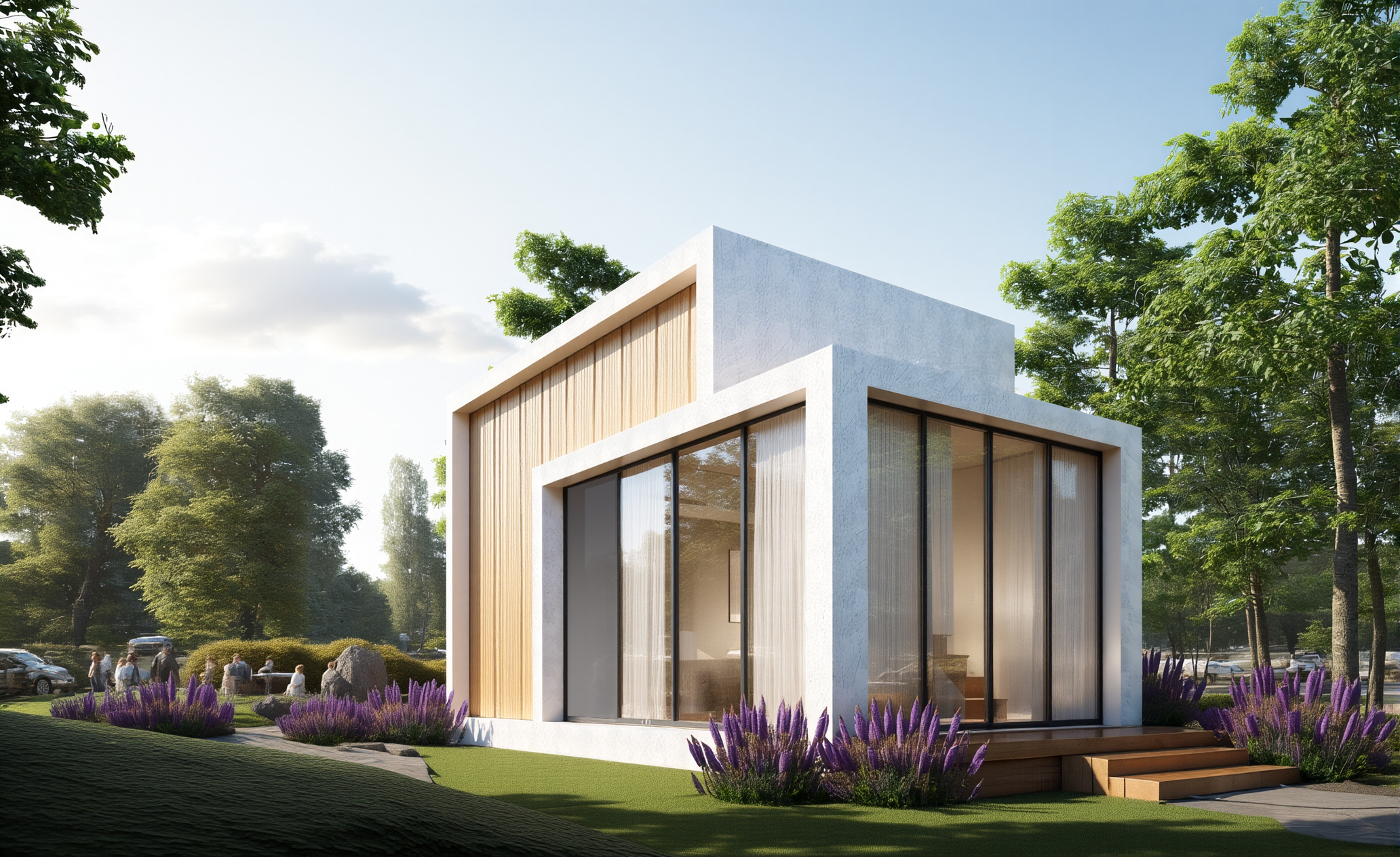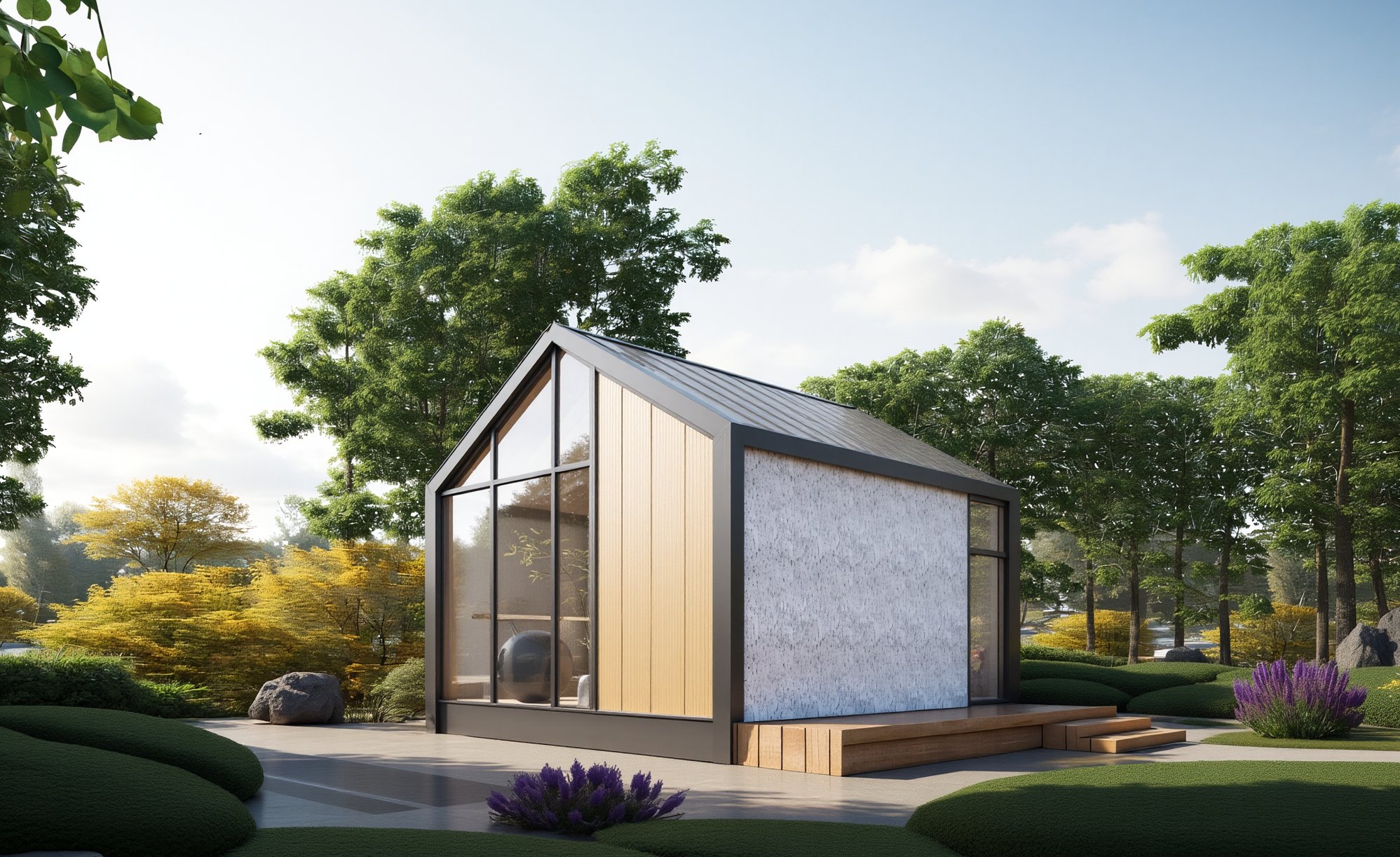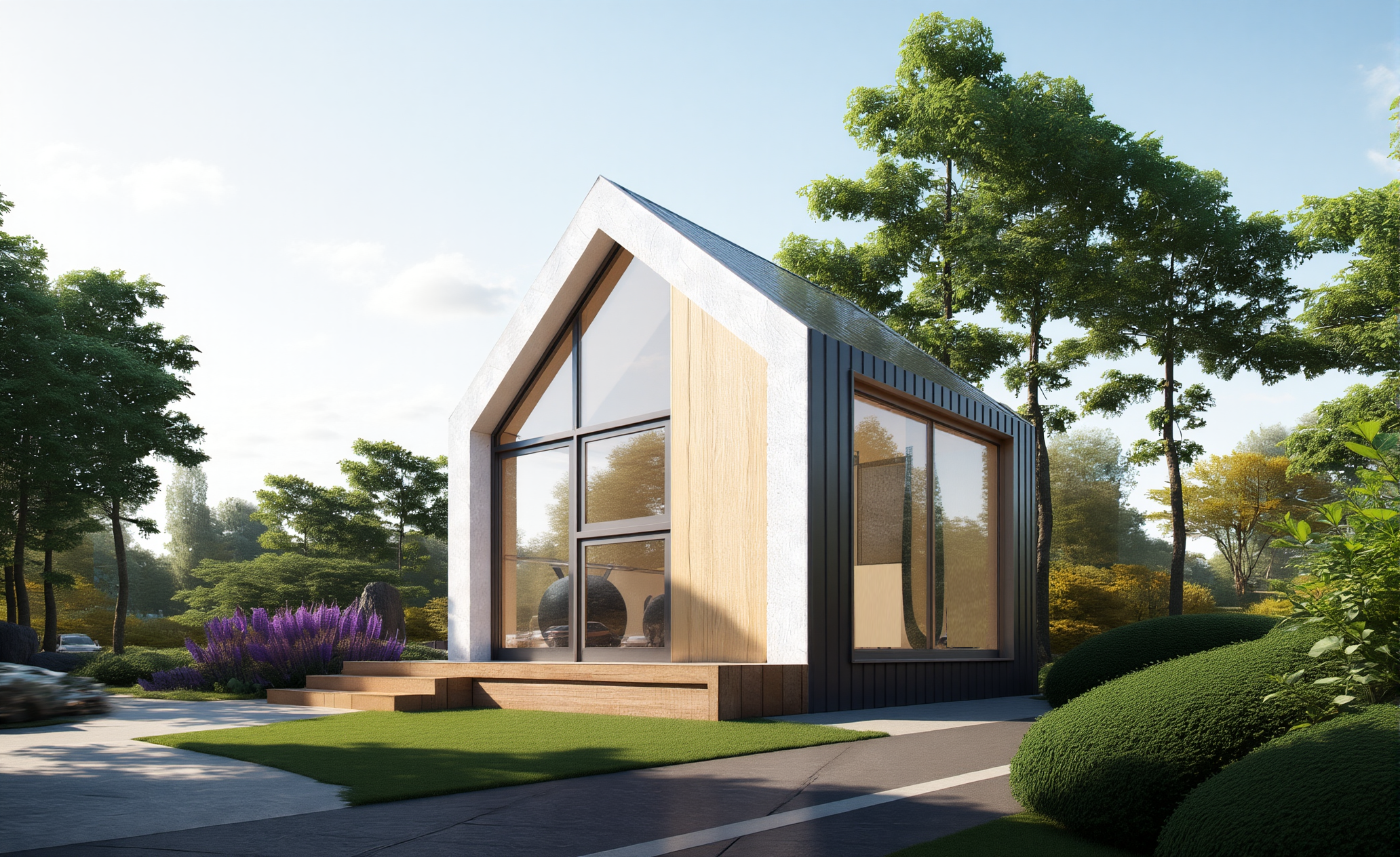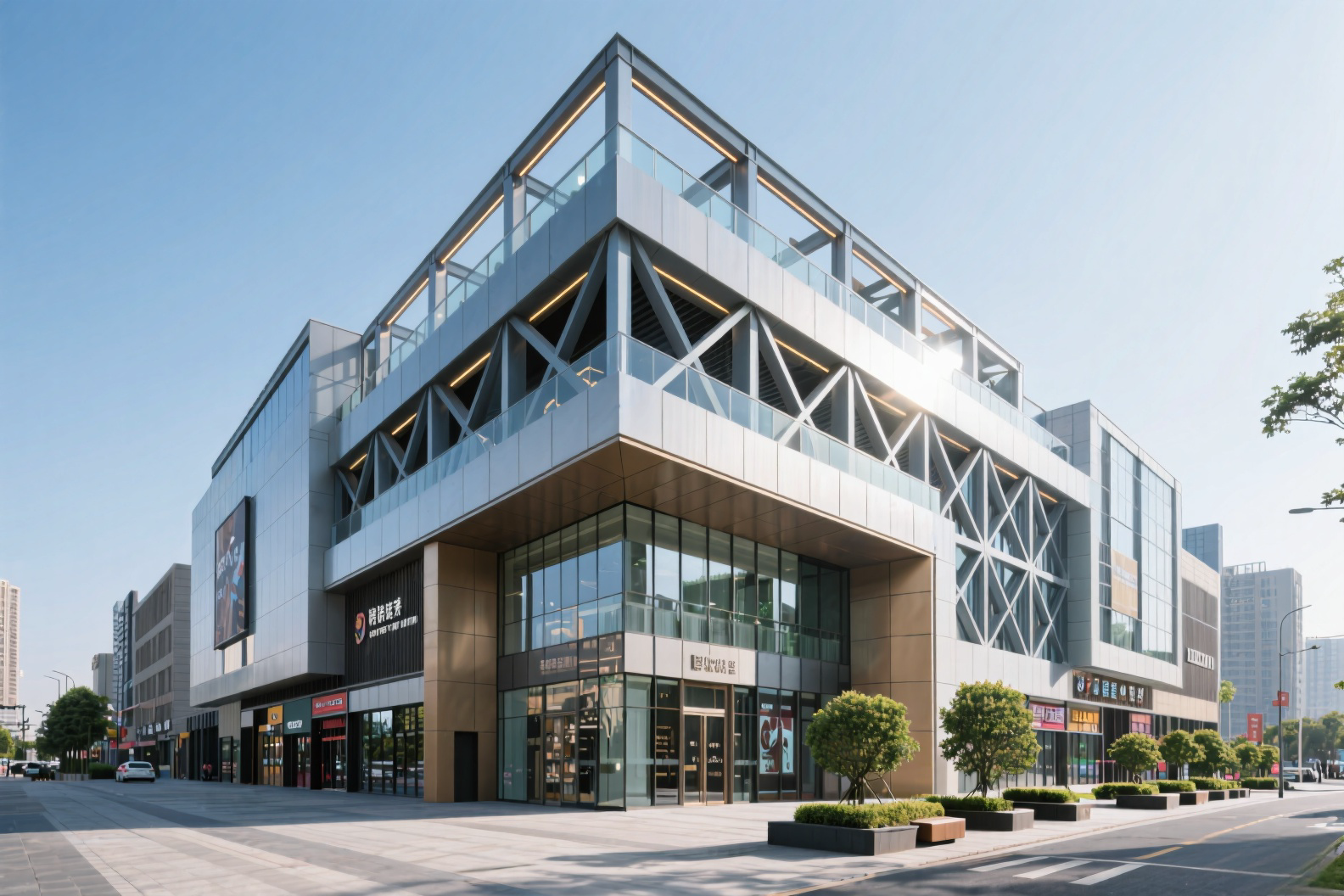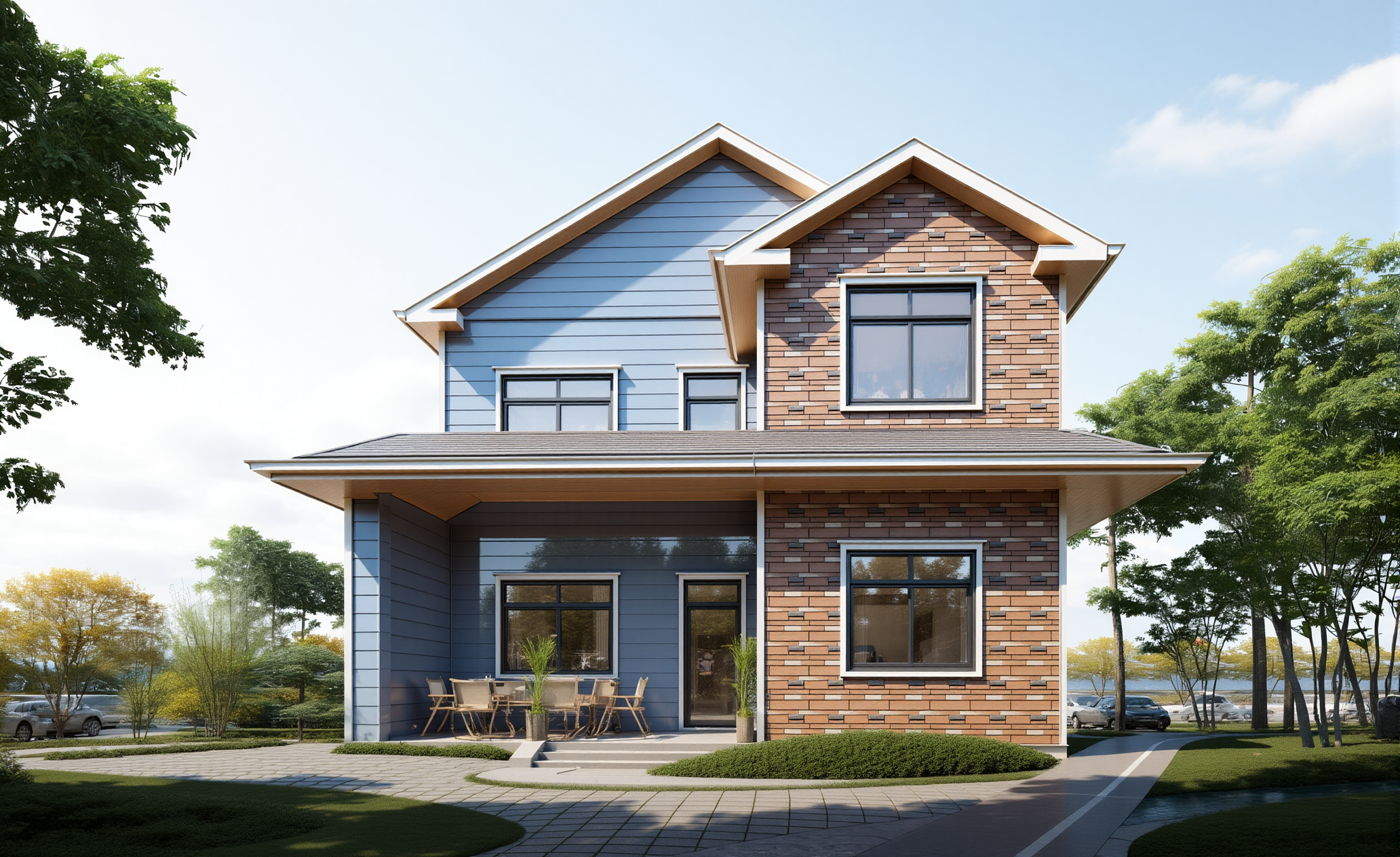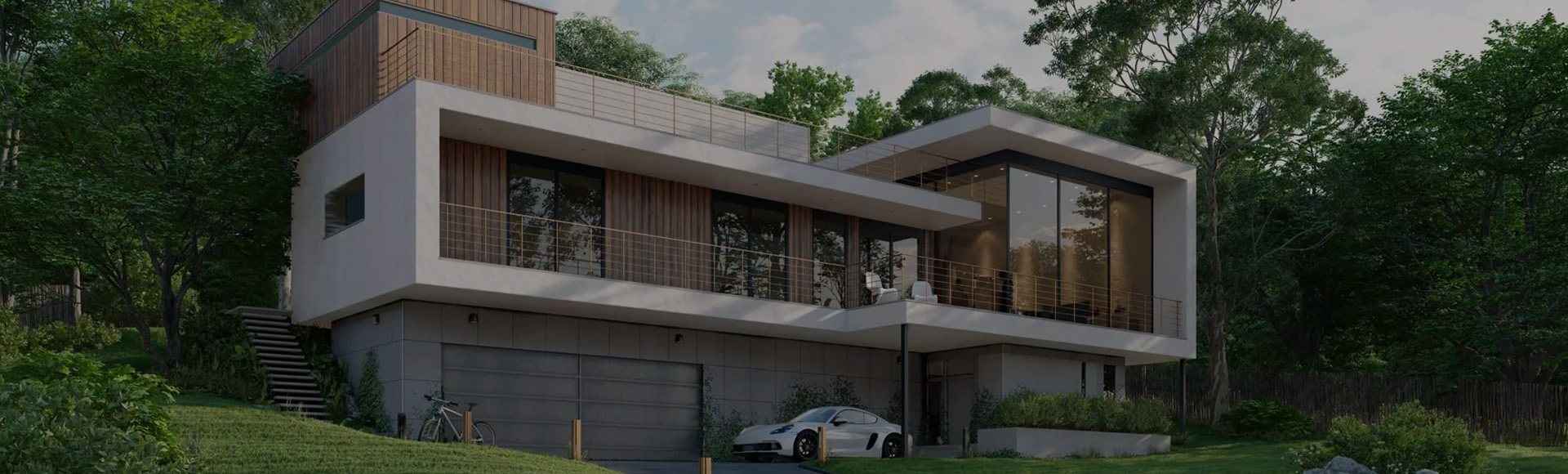
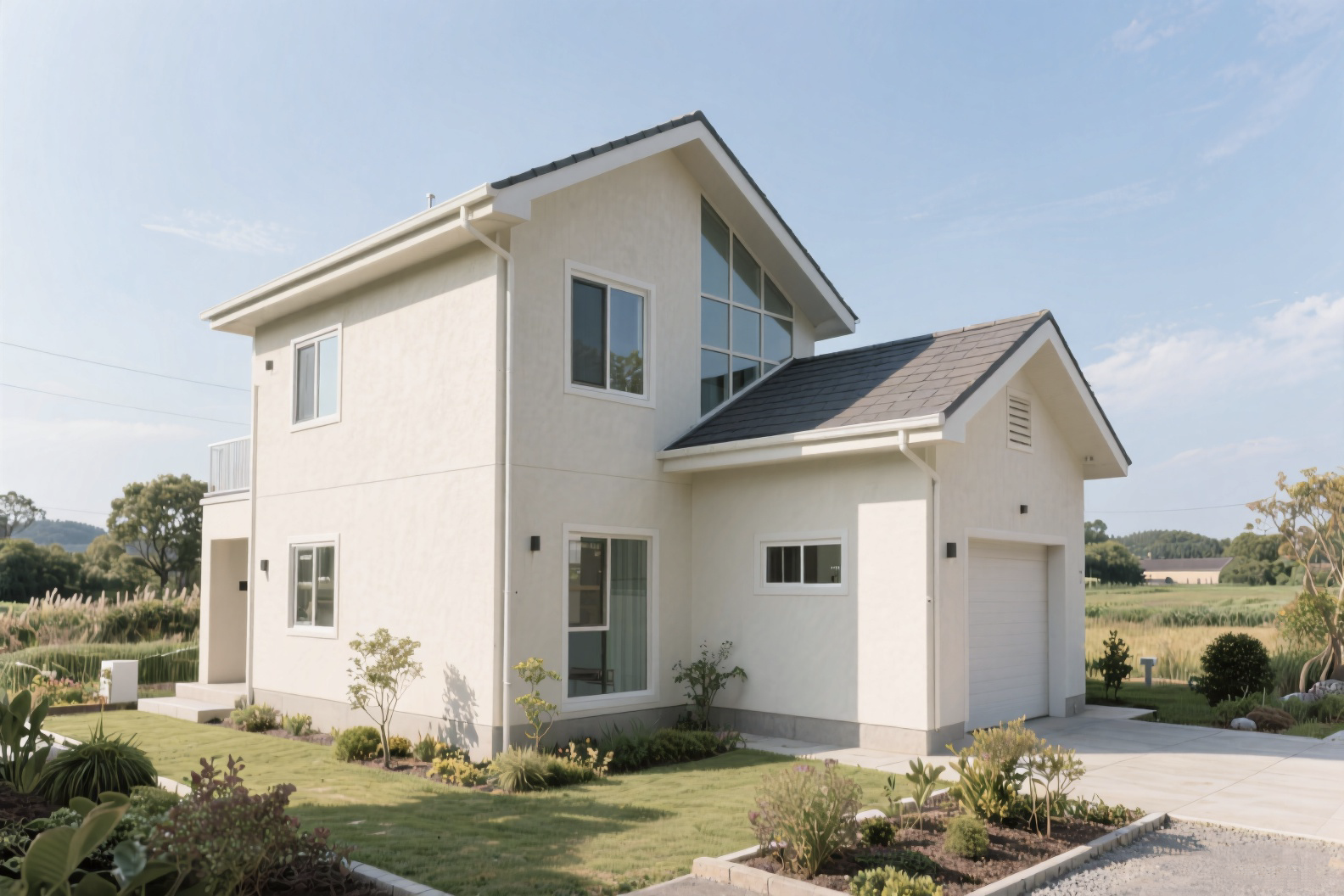
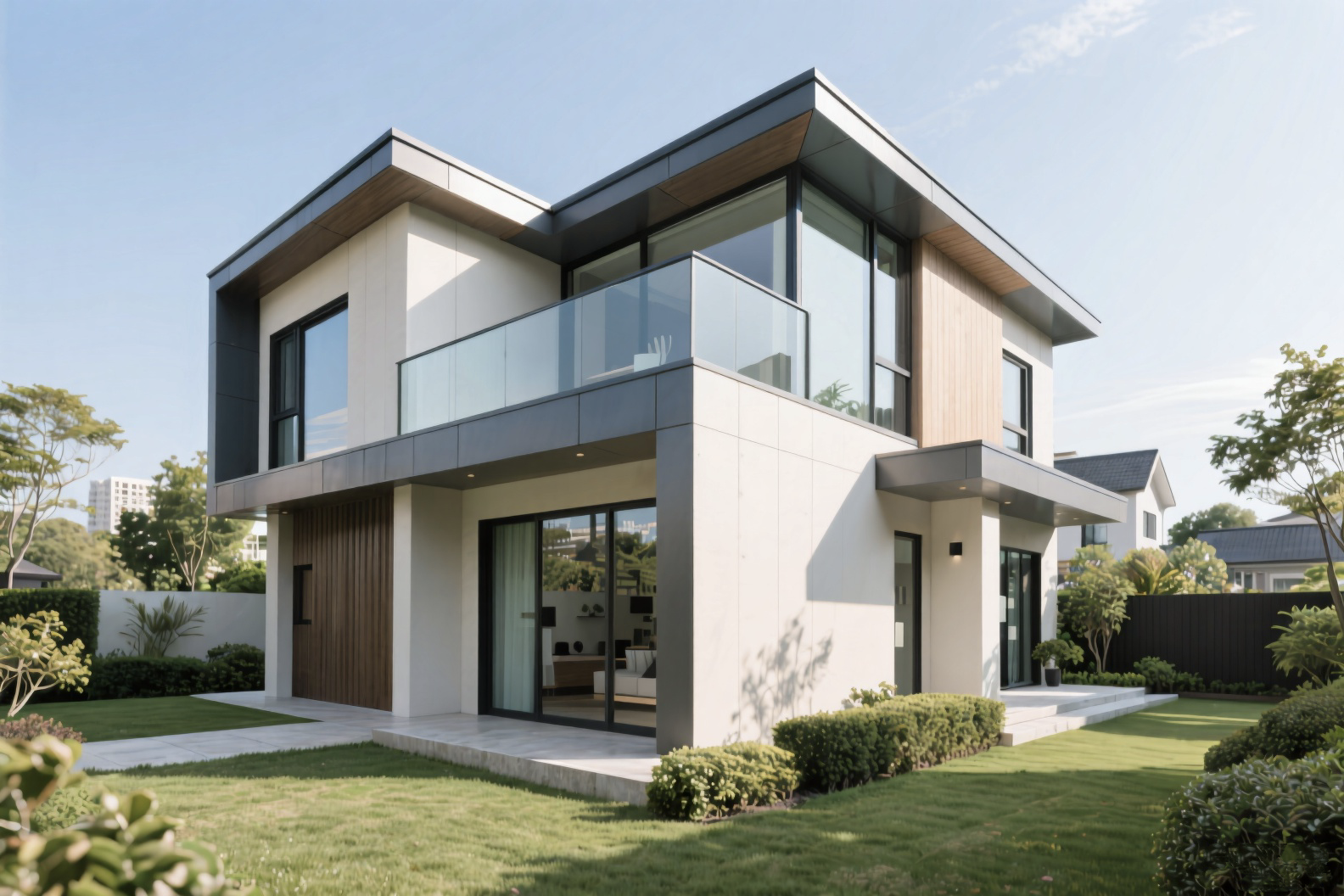
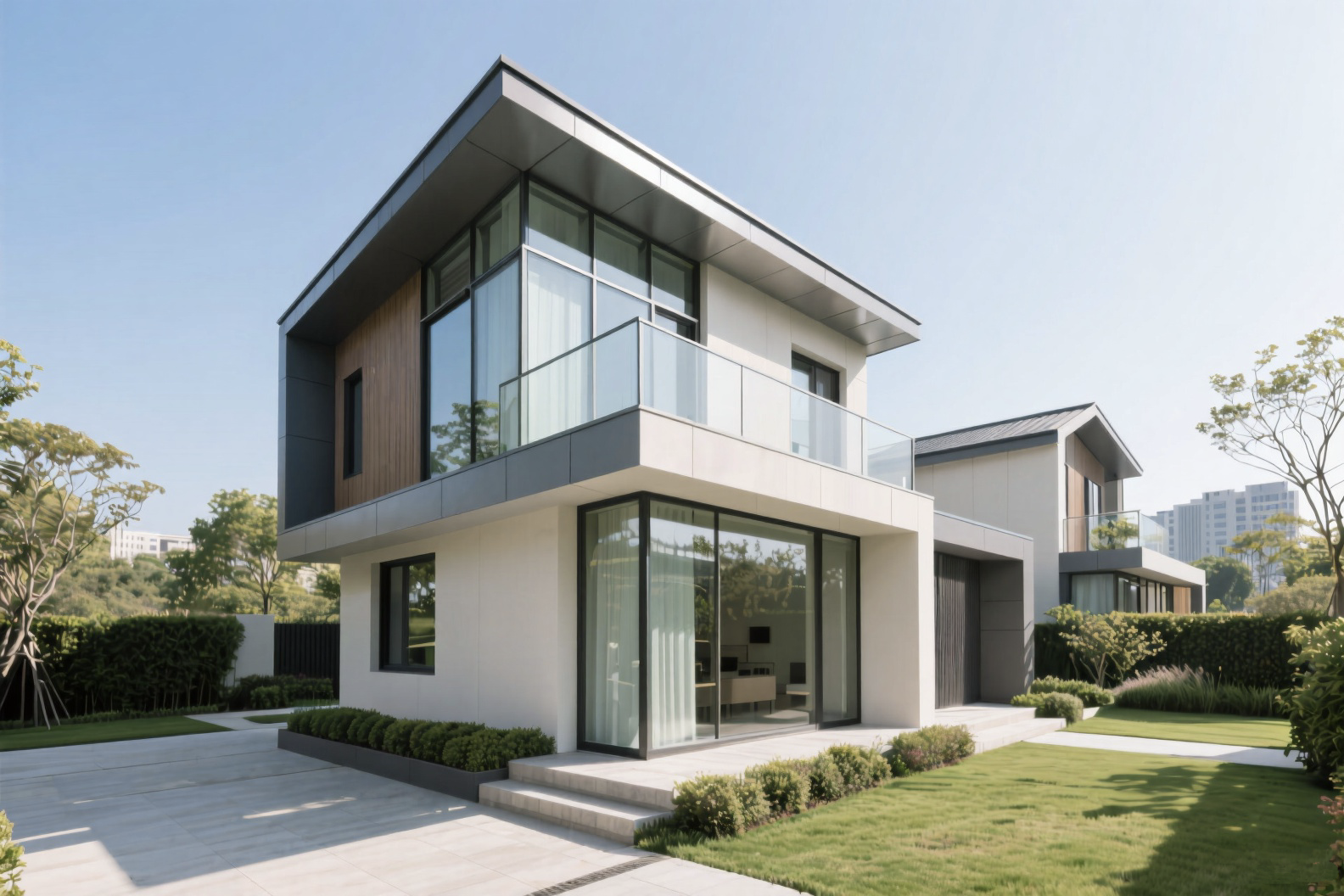
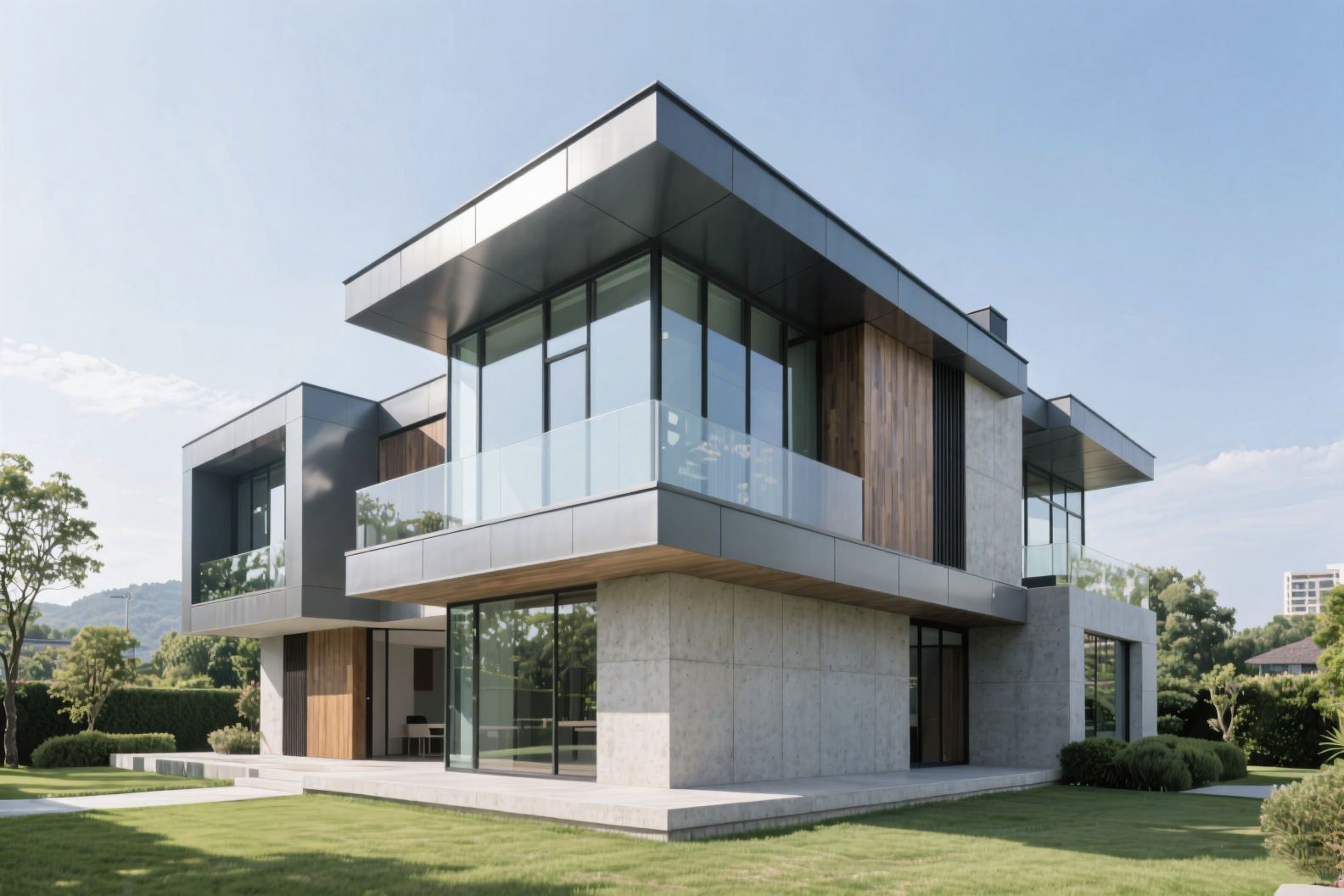
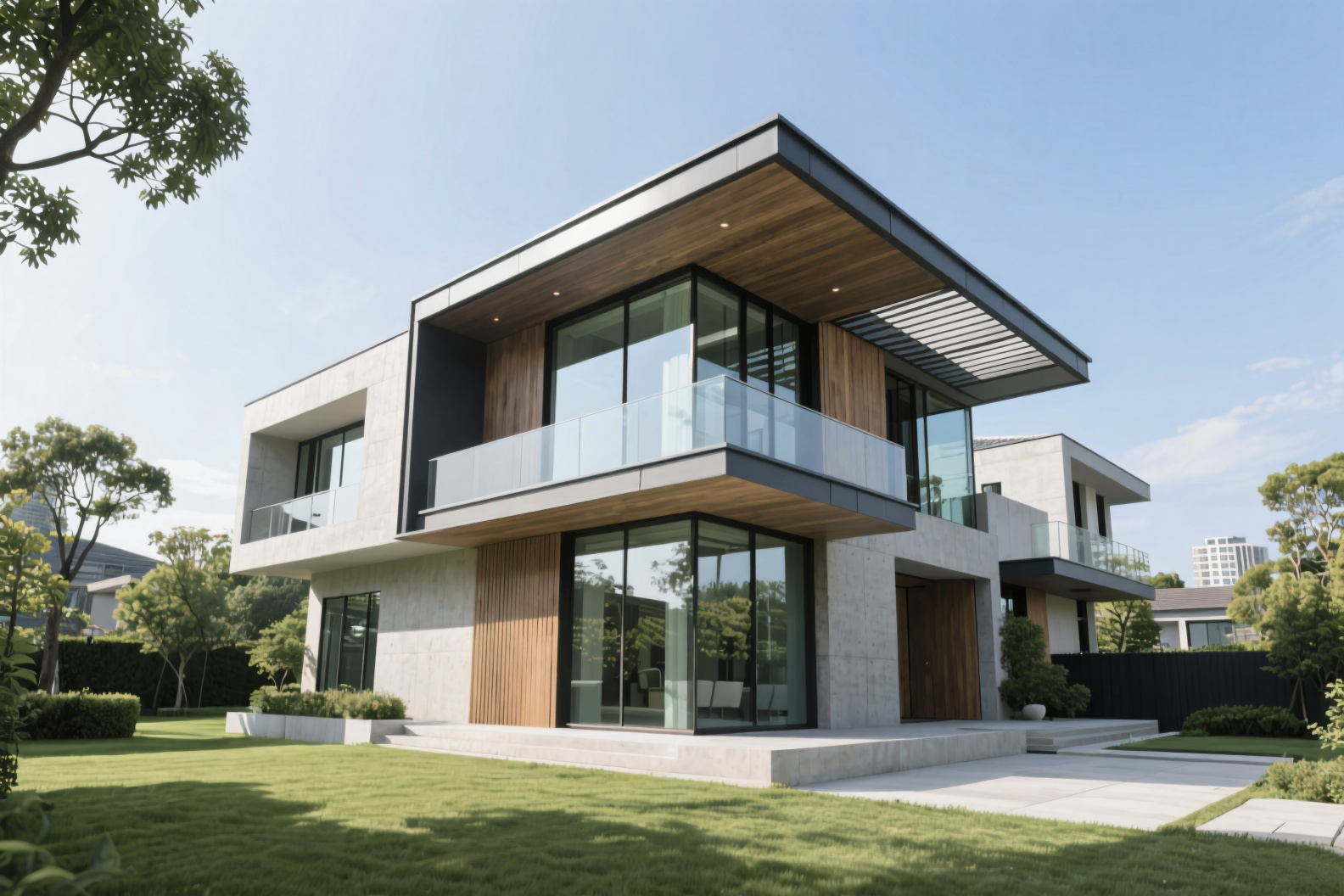
ADVANTAGE 1. Fast and efficient construction Prefabricated 2D modules in the factory, assembled on-site, with a construction period shortened by 30% to 50% compared to traditional buildings. 2. Lightweight and flexible Light steel keel structure is lightweight, suitable for transportation and movement, and can adapt to temporary or relocation needs. 3. Environmental protection and energy conservation Steel can be recycled, reducing construction waste; Combined with insulation materials, the energy consumption is lower than traditional brick concrete structures. 4. Cost controllable Standardized production reduces labor and material waste, resulting in lower overall costs. 5. Structural stability Light steel keel has excellent seismic and wind resistance performance, suitable for disaster prone areas. | |
| DISADVANTAGE 1. Design limitations The 2D modular splicing method may limit the architectural form and spatial complexity. 2. Sound insulation and durability challenges The sound insulation effect of light steel walls is weaker than that of concrete and requires additional treatment; Long term humid environment may affect the service life of steel. 3. Relying on industrial supporting facilities Mature supply chain and professional construction team are required, as costs may increase in remote areas. 4. Low market awareness The acceptance of light steel structure residential buildings by some consumers still needs to be improved. |